
Imagine a classroom where every student gets exactly what they need to succeed: lessons tailored to their pace, tools that address their unique challenges, and teachers with more time to focus on teaching.
Thanks to artificial intelligence (AI), this isn’t just a dream anymore, it’s becoming a reality in schools around the world.
For decades, education relied on one-size-fits-all methods that often left students behind. Now, AI is changing that by personalizing learning experiences in ways we’ve never seen before. It’s helping teachers save valuable time by automating tasks like grading, and it’s making education more accessible for students with disabilities or limited resources.
But how exactly is AI shaping modern learning? And is it the future?
Let’s answer those questions! This article delves into how AI is not only transforming the way we learn but also unlocking new possibilities for the future of education.
Artificial Intelligence (AI) in education represents a breakthrough in how we approach learning and teaching. It’s mainly designed to address the limitations of traditional methods by providing adaptive, efficient, and data-driven solutions for students, teachers, and institutions.
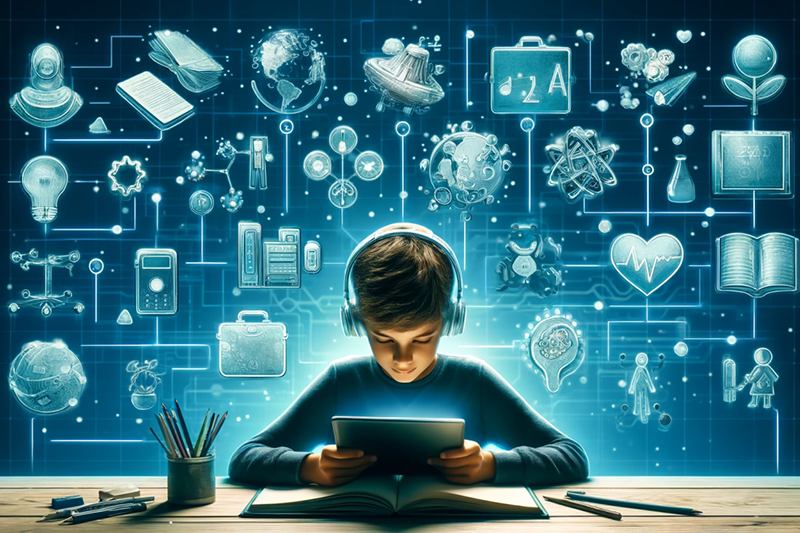
Here’s what it can do:
AI enables truly personalized learning. By analyzing a student’s strengths, weaknesses, and pace, AI-driven platforms can adjust lessons in real time to ensure understanding. Virtual tutors go beyond fixed schedules, offering round-the-clock support, while tools like speech recognition and real-time translation make education accessible to students with diverse needs.
AI is a force multiplier. It automates repetitive tasks like grading and attendance, freeing educators to focus on creativity and connection with students. More importantly, AI provides actionable insights into student performance, allowing teachers to offer targeted interventions when and where they’re needed most.
AI streamlines operations and enables smarter decision-making. Predictive analytics optimize resource allocation, monitor academic trends, and enhance planning. AI simplifies administrative workflows, creating systems that work as efficiently as they teach.
Remember, AI in personalized learning is not replacing human educators, it’s empowering them.
With embracing AI, we’re moving toward a future where education is more personalized, inclusive, and capable of meeting the demands of a rapidly changing world.
The importance of AI for student learning lies in how it keeps learning fresh, relevant, and ready for the future.
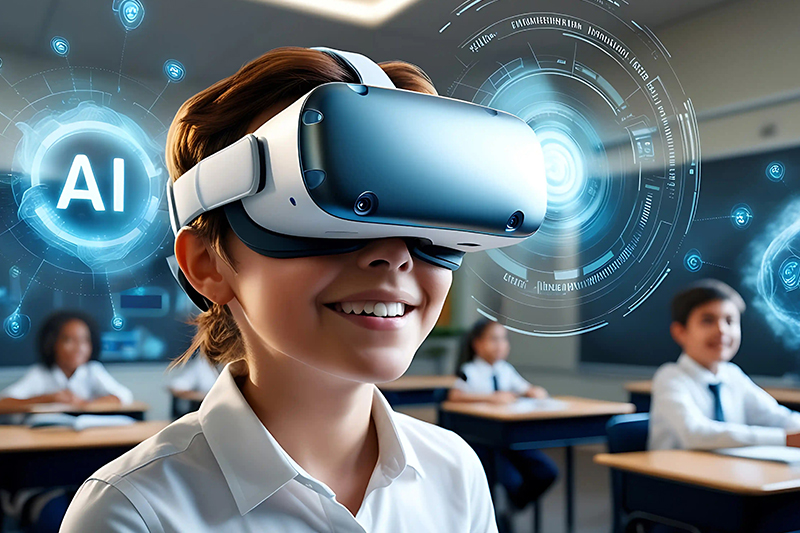
Here are some key reasons why AI matters:
In a world where change happens faster than ever, AI helps education stay smart, adaptable, and exciting.
As education evolves to meet modern challenges, AI stands at the forefront of this transformation. It’s changing how students engage, how teachers connect, and how schools operate, paving the way for a smarter, more efficient future in learning.
Every student learns differently, and AI is making it possible to tailor education like never before.
Instead of rigid, one-size-fits-all methods, AI creates a personalized learning AI service that adapts to individual strengths, challenges, and styles.
Here’s how it’s transforming the classroom:
WIth proper integration, AI will basically transform classrooms into dynamic, customized learning spaces where every student can thrive.
AI is changing how students learn by making education exciting and hands-on.
Instead of sitting through lectures, students can now explore lessons in ways that are fun and interactive.
Picture a history class where students use virtual reality to walk through ancient cities or a math app that turns solving problems into a rewarding game. These AI tools bring subjects to life, helping students stay focused and interested.
What makes AI special is how it adapts to each student. It challenges them at their level, making learning personal and enjoyable. By turning lessons into experiences, AI inspires curiosity and helps students connect with what they’re learning in meaningful ways.
AI is breaking down barriers in education, making learning more inclusive for students with special needs. Through advanced tools and technologies, it ensures that every student has the support they need to thrive.
Here are 3 ways AI is improving accessibility:
AI empowers students to overcome their unique challenges, ensuring that learning is not only accessible but also meaningful for everyone.
It’s paving the way for an educational system where every student has the tools to succeed, regardless of their abilities.
AI is revolutionizing the way remote and hybrid learning models work, turning them into powerful and flexible approaches to education.
These models, which combine online and in-person learning, are no longer just backup plans, they are becoming essential to modern education. AI enhances their effectiveness by offering tools and solutions that ensure students and teachers can thrive, no matter where they are.
Here’s how AI enhances these learning approaches:
With these advancements, AI not only ensures learning continuity but also raises the quality of education in remote and hybrid settings. It creates an environment where students and teachers are supported every step of the way, enabling meaningful and effective learning experiences.
This transformation is setting the foundation for a future where education is accessible, adaptable, and designed to meet the needs of every learner, no matter their circumstances.
Teaching often relies on experience, intuition, and traditional assessments to understand student needs.
But these methods can fall short, especially in diverse classrooms where learning gaps are harder to spot, or when teachers are juggling multiple responsibilities. Identifying exactly where a student is struggling or how to adjust lessons for a whole class can feel overwhelming.
AI offers a powerful solution to these challenges. By analyzing data like test results, participation patterns, and even how students engage with lessons, AI reveals insights that are difficult to catch with the human eye. It can pinpoint where students need extra help, predict future challenges, and suggest strategies that match each student’s learning style.
For example, AI tools can highlight trends in a classroom, such as a group of students struggling with the same concept, and recommend specific activities to address the issue. At the same time, it provides detailed insights into individual progress, helping teachers support every student effectively.
When trained and used properly, AI becomes a game changer. It helps educators make smarter decisions, adapt their teaching methods, and ensure no student is left behind.
Grading and assessments are time-consuming tasks that often take teachers away from what matters most: teaching and connecting with their students.
AI changes this by automating these processes with speed and accuracy.
Advanced and highly-trained AI-powered systems can grade assignments, evaluate tests, and even analyze written responses with minimal errors. They provide quick results, detailed performance insights, and suggestions for improvement. This not only saves teachers hours of repetitive work but also ensures consistency and fairness in grading.
How is this beneficial? By handling these tasks efficiently, AI allows teachers to focus on teaching, mentoring, and creating a more engaging learning experience for their students.
In short, it’s a smarter way to manage time while maintaining quality and accuracy.
Educators often juggle a range of administrative tasks that take time away from teaching. AI simplifies these responsibilities, making classroom management more efficient and error-free.
Here’s what AI can automate:
Once these routine administrative tasks are automated, AI allows teachers to focus on the two most important things in education: teaching and mentoring our future generation.
And as we mentioned earlier, AI doesn’t replace educators but supports them, ensuring they have more time and energy to create engaging learning experiences while reducing stress from administrative duties.
AI is transforming education by taking over time-consuming administrative tasks, allowing teachers to dedicate their energy to teaching and mentoring students. One thing is clear: AI will support teachers, professors, and anyone who uses it to educate, making classrooms more efficient and giving educators the freedom to focus on shaping the minds of the future.
The future of AI in education is about integrating it more deeply into classrooms to enhance learning and teaching. It’s not just about automating tasks, it’s about creating intelligent systems that adapt to students’ unique needs. AI will enable real-time progress tracking, personalized lesson delivery, and tools that foster collaboration among students and teachers.
However, the journey comes with challenges. Schools will need to address data privacy, ensure equitable access, and provide teachers with proper training to maximize AI’s potential.
When implemented thoughtfully, AI promises to reshape education into a dynamic, inclusive, and future-ready system, preparing students not just for exams but for the evolving demands of the modern world.
AI is transforming education, empowering educators to focus on what matters most, inspiring the next generation.
As pioneers in creating AI software for educators worldwide, we’re helping schools and institutions embrace smarter, more accessible, and personalized learning solutions.
Ready to revolutionize your classroom? Let’s shape the future of education together.

Chat With Live Agent
LIVE CHAT

Have Any Questions?
EMAIL US
Copyright © Suits360 | All rights reserved
Copyright © Suits360 | All rights reserved